 |
| |
|
| |
|
| |
|
| |
|
| |
|

|
Boris Godunov
|
 |
Portland, OR
Aug 2001
time: 00:32
|
|
quote:
Originally posted by Shogun Gunner
Aren't the "four cradles of civilization" each located in fertile river valleys?
Nile - Eygpt
Indus- Indian
Yellow - Chinese
Euphrates - Arab
I wouldn't call these starts of extreme difficulty... |
They were fertile when Herodotus and later historians wrote of them, but not when the initial peoples settled there.
The Nile valley was originally a reedy swamp. Prehistory Egyptians had to drain it and learn to control the flooding of the Nile in order to tame the land.
We know very little of Indus civilization, but it seems to have arisen in adverse terrain--dense tropical jungle.
The ancient Yellow river valley was not only marsh and bush and prone to flooding, but was also subject to extremes of temperatures in the different seasons. The river was not navigable, as in winter it was choked with ice, and in warmer seasons flooded horribly, frequently changing its course dramatically. Even in 1852, under human "management," the river managed to change its outflow into the sea by 100 miles.
Sumeric (what you call Arab) civilization had the same adverse terrain--swamps, gigantic swaths of mud, and unpredictable river course changes of the Tigris and Euphrates. Much of Ancient Sumerian mythology (i.e. Marduk slaying Tiamat) symbolizes the claiming of this land by humans and making it habitable.
Toynbee discusses this at length in A Study of History, and shows how each unique civilization (meaning, those without any predecessors) arose in less-than-idyllic terrain, while cultures in lands of plenty lazed in barbarism.
|
|
| |
|
|
|
Shogun Gunner

|
 |
Potomac Falls, Virginia
Oct 2000
time: 00:32
|
|
Yes, I've read some of Toynbee...the abridged version...reading your post I'm wondering if read his completed unabridged work!
Yes, Sumeric, intellectual laziness, or a three drink buzz, made me type 'arab'
It is true that settlements in areas with hardships (cold, poor land, etc) were forced to adapt to a lack of resources and this improved human cooperation, interaction provided a stimulus to advancement...perhaps a more rigid social structure as a reason.
Since you are refering to real life, I concede the point to you.
|
|
| |
All times are GMT. The time now is 05:32.
Apolyton Time is 00:32. |
top of page
|
|
|
Forum Rules:
You may not post new threads
You may not post replies
You may not post attachments
You may not edit your posts
|
HTML code is ON
vB code is ON
Smilies are ON
[IMG] code is ON
|
|
|
|
|
|





 13-12-2003 05:42


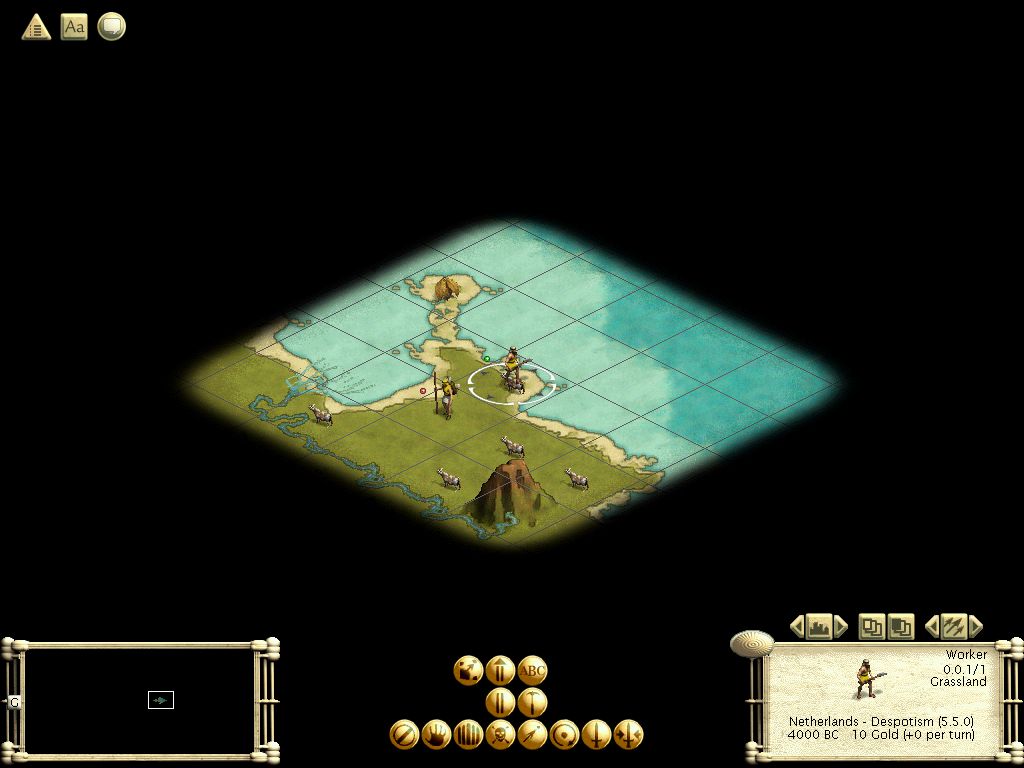
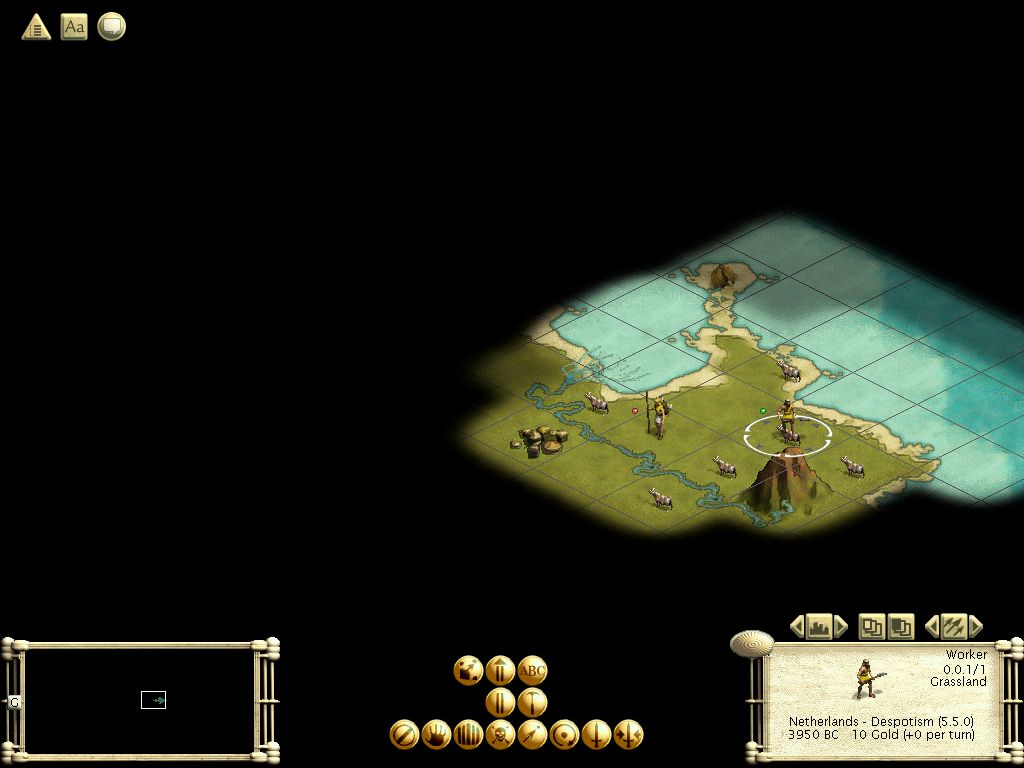
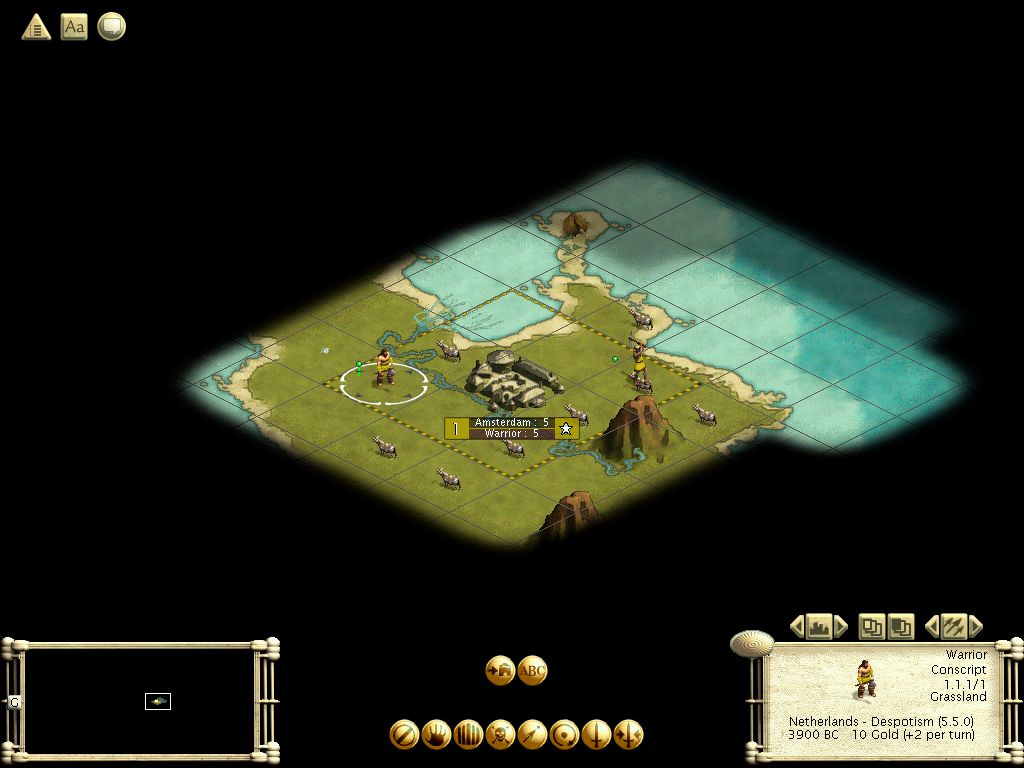




 (however, there are two islands nearby with luxuries.
  )
)






 |
|